Review: Black Cat and Human Skeleton Skull Design
As an embroidery designer who spends countless hours digitizing and stitching, I approach every new machine embroidery design with a critical eye. It is not just about whether the image looks cute on a screen; it is about how those stitches lay down on fabric, how the tension holds up during washing, and whether the final product will sell. Recently, I evaluated the Black Cat and Human Skeleton Skull available on Creative Fabrica to determine if it deserves a spot in my commercial library. This review breaks down the aesthetic appeal, technical performance, and business potential of this specific Halloween-themed asset.
First Impressions and Visual Mood
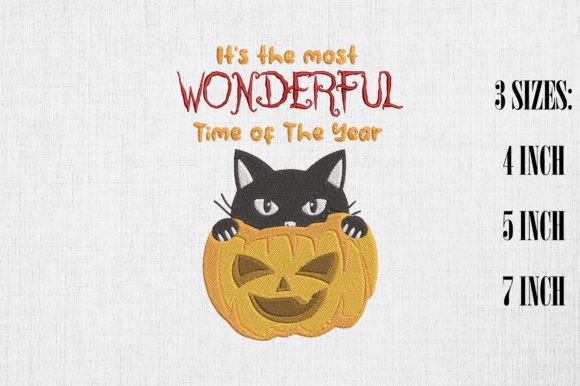
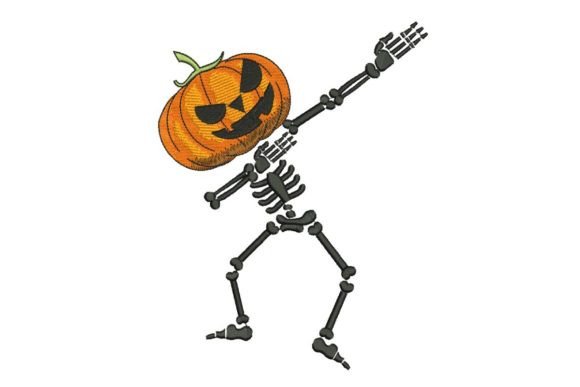
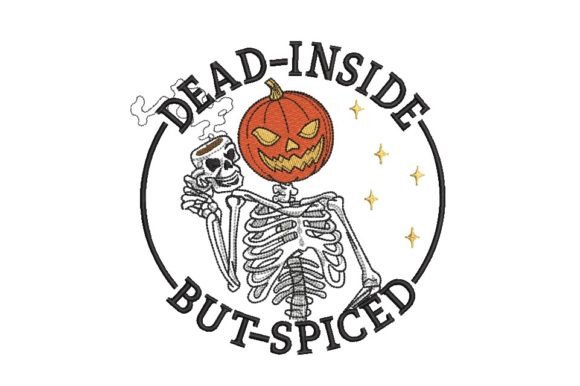
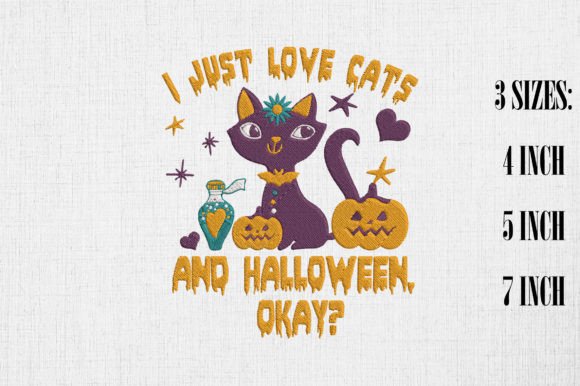
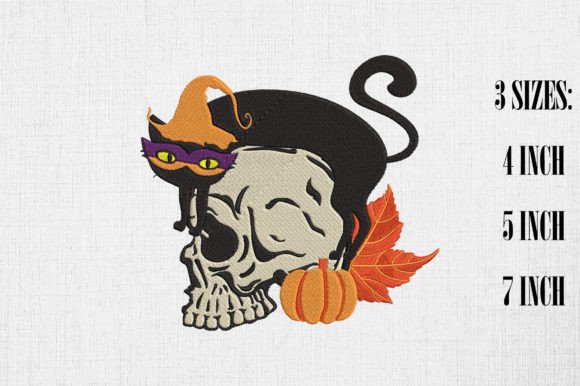
The immediate appeal of the Black Cat and Human Skeleton Skull lies in its balanced composition. Halloween designs often lean too heavily into gore or overly complex details that do not translate well to thread. However, this design strikes a playful yet spooky chord. The juxtaposition of the sleek black cat against the structured geometry of the human skeleton skull creates a visual narrative that is both eerie and charming. For designers looking to create items that appeal to a broader audience—including those who enjoy "spooky season" aesthetics without extreme horror—this motif fits perfectly.
The line work appears clean, suggesting a thoughtful digitization process. When reviewing a digital embroidery file, I look for smooth curves and logical stitch paths. The silhouette of the cat suggests the use of satin stitches for definition, while the skull likely utilizes a combination of fill stitches and running stitches to capture bone texture without becoming too dense. This balance is crucial for maintaining the drape of the fabric, especially when working on garments like t-shirts or dresses.
Performance on Real-World Projects
To truly test the value of this design, I considered how it would perform across various substrates. The product description notes that it complements t-shirts, dresses, scarves, and home decor. Here is how I envision it working in a real workshop environment:
- Custom Apparel: On a black cotton t-shirt, the white or off-white threads of the skeleton would pop dramatically. The black cat portion would require careful thread selection to ensure it does not disappear into dark fabrics. Using a slightly lighter shade of grey or charcoal for the cat’s outline could provide necessary contrast.
- Tote Bag Design: Canvas bags are sturdy and handle higher stitch densities well. This design would make an excellent focal point for a reusable shopping bag, appealing to customers looking for seasonal accessories.
- Sweatshirt Embroidery: Hoodies and crewnecks offer a larger canvas. Placing this design on the left chest or as a larger back piece could elevate a basic garment into a boutique-style item. The fleece backing of sweatshirts helps stabilize the stitches, reducing the risk of puckering.
- Home Decor: Imagine this stitched onto a pillow cover or a kitchen towel. For towels, however, one must be cautious. Terrycloth is textured and looped, which can swallow small details. If the design includes fine running stitches, they may get lost. Testing on scrap fabric is essential here.
Technical Considerations for Stitching
While the aesthetic is strong, the technical execution determines the quality of the finished product. Since this is a Halloween design, it may be used on darker fabrics, which presents specific challenges. When stitching the black cat portion on dark material, you must ensure your bobbin thread matches the top thread to prevent white speckling from showing through. Additionally, the density of the skull’s fill stitches needs to be monitored. If the digitizer packed too many stitches into a small area, it could cause the fabric to pucker or tear, especially on thinner materials like scarves.
Hoop size is another critical factor. Although the exact dimensions are not specified in the brief description, most multi-format downloads include sizes ranging from 4x4 to 5x7 inches. Before committing to a large production run, confirm the largest hoop size available in the package. If you plan to use this on curved surfaces, such as caps, ensure the design fits within a standard cap frame without distortion. The vertical orientation of the skull and cat likely makes it suitable for taller hoops, but always check the aspect ratio.
Stabilizer choice cannot be overlooked. For stretchy fabrics like jersey knits used in t-shirts, a cut-away stabilizer is mandatory to support the weight of the embroidery over time. For woven fabrics like linen aprons or tote bags, a tear-away stabilizer may suffice, provided the stitch density is not excessive. Always test on scrap fabric first. This simple step saves costly materials and ensures that the stitch density behaves as expected on your specific machine.
Commercial Value and Brand Consistency
For Etsy sellers and small business owners, the right design assets can significantly impact buyer trust and engagement. The Black Cat and Human Skeleton Skull offers a unique selling proposition because it combines two popular motifs into one cohesive image. This reduces the need for multiple designs to achieve a themed look. A single, well-executed design can become a signature element of your brand’s seasonal collection.
When creating printable mockups for your online store, this design offers high visual appeal. The contrast between the organic shape of the cat and the rigid structure of the skull draws the eye, making it effective for social media posts and product listings. High-quality photography of the embroidered item, highlighting the texture of the satin and fill stitches, can further enhance perceived value. Customers are more likely to purchase a personalized gift or handmade item when they can see the precision of the stitching.
Furthermore, using a reputable source like Creative Fabrica embroidery collections often provides peace of mind regarding licensing. Most designs on the platform come with a commercial license, allowing you to sell physical finished products. However, it is vital to read the specific license terms included with the download. Never assume; always verify that you are allowed to sell the embroidered items on platforms like Etsy, at craft fairs, or in boutique stores.
Practical Tips for Best Results
To maximize the potential of this design, consider the following workflow:
- Check File Formats: Ensure the download includes the format compatible with your embroidery machine (e.g., PES, DST, JEF). The product description mentions multiple formats, which is a significant advantage for users with different machines.
- Thread Color Contrast: Plan your thread palette carefully. For the skeleton, consider using variegated threads to add depth to the bones. For the cat, a matte black thread can reduce shine and create a more sophisticated look.
- Inspect Small Details: After stitching a test sample, inspect the connection points between the cat and the skull. Are there any jumps or loose threads? Clean up any stray fibers to ensure a professional finish.
- Fabric Selection: Avoid highly textured fabrics if the design relies on fine details. Smooth cotton, polyester blends, and felt are ideal choices for this type of motif.
- Wash Testing: Before listing the item for sale, wash and dry the test piece. Check for any thread breakage or fabric distortion. This step is crucial for maintaining customer satisfaction and reducing returns.
Final Verdict
The Black Cat and Human Skeleton Skull is a versatile and visually striking addition to any embroidery designer’s library. Its strength lies in its ability to bridge the gap between spooky and stylish, making it suitable for a wide range of applications from apparel to home decor. While technical diligence is required regarding stabilizer choice and thread contrast, the potential for creating high-value, commercially viable products is significant. For creative entrepreneurs looking to expand their Halloween offerings, this design warrants a close look. Just remember to download the files, check the specific hoop sizes, and run a test stitch before launching your full production line.