Dancing Halloween Skeleton Embroidery Review
As an embroidery designer who has spent years testing digital files for client projects, I approach every new machine embroidery design with a mix of excitement and scrutiny. When I first loaded the Dancing Halloween Skeleton onto my machine, I was looking for more than just a seasonal motif. I wanted to see if this design could transcend the typical spooky aesthetic and become a viable option for personalized gifts that customers cherish year after year. In the world of handmade goods, versatility is key, and this review explores how this specific pattern holds up under the pressure of real-world production.
First Impressions: Charm Over Creepiness
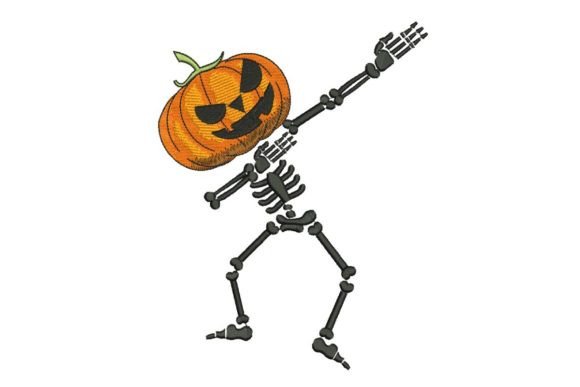
The immediate mood of the Dancing Halloween Skeleton is playful rather than frightening. For many crafters, especially those creating baby products or family keepsakes, the line between "spooky" and "sweet" is thin. This design walks that line beautifully. The posture of the skeleton suggests movement and joy, giving it a whimsical character that feels modern and approachable. It does not rely on gore or dark imagery, which makes it surprisingly suitable for a broader audience than one might expect from a Halloween-themed item.
From a technical standpoint, the detail level is balanced. It is intricate enough to look professional and high-quality but not so dense that it becomes a nightmare to stitch out on textured fabrics. The emotional appeal here is nostalgia and fun. It reminds me of classic cartoon aesthetics, which resonates well with millennials and Gen Z buyers who are currently driving the market for unique, handmade home decor and apparel.
Versatility in Personalized Gift Products
One of the strongest aspects of this embroidery file is its adaptability. While it is categorized under Halloween, its application extends far beyond October 31st. Imagine a customer ordering a custom tote bag for a trick-or-treat run. The Dancing Halloween Skeleton serves as a perfect centerpiece, especially when paired with vibrant thread colors like orange, purple, or teal. However, its utility does not stop at bags.
For those of us running small shops or selling as an Etsy seller, consider the potential for kitchen textiles. An embroidered towel featuring this dancing figure adds a touch of personality to a guest bathroom or kitchen. It transforms a standard household item into a conversation piece. Similarly, using this design on a pillow cover can refresh living room decor for the autumn season. The key is positioning. Because the design is self-contained and visually balanced, it works well in the corner of a napkin or centered on a cushion.
I also see significant potential in the nursery market, provided the parents have a sense of humor about holidays. A baby embroidery project, such as a onesie or a soft blanket, can feature this skeleton if scaled down appropriately. It appeals to parents who want to celebrate the season without exposing their children to scary imagery. The whimsical nature of the dance pose makes it feel friendly and safe, enhancing its giftability for young families.
Technical Considerations for Stitching Success
While the design is described as easy to stitch, experienced embroiderers know that "easy" is relative to fabric choice and machine setup. Before committing to a final finished product, I always recommend rigorous testing. Here are the critical factors to consider when working with the Dancing Halloween Skeleton.
- Fabric Texture and Stability: This design performs best on stable, woven fabrics like cotton twill, linen, or canvas. If you are stitching on a thick towel, the loops of the terry cloth can obscure finer details. In such cases, using a topping stabilizer is essential to keep the stitches sitting on top of the texture rather than sinking in.
- Stitch Density and Underlay: Although exact stitch counts are not provided in the initial description, the visual complexity suggests a moderate density. Always check the underlay stitches on a scrap piece of fabric. If the design pulls or puckers, you may need to adjust your tension or switch to a cut-away stabilizer for stretchy materials like baby clothes.
- Hoop Size and Placement: Confirm the required hoop size before purchasing. Ensure your machine’s hoop can accommodate the design with enough margin for proper clamping. For curved surfaces like sleeves or hat fronts, precise hooping is crucial to prevent distortion of the skeleton’s limbs.
- Thread Color Contrast: The impact of this design relies heavily on contrast. On dark fabric, use bright, metallic, or neon threads to make the skeleton pop. On light fabric, traditional black or deep gray threads provide a classic look. Always stitch a test sample to compare light and dark fabric mockups before fulfilling customer orders.
Navigating Delicate Details and Washing Durability
When creating a personalized gift, longevity matters. Customers expect their items to withstand frequent washing, especially kitchen towels and baby blankets. The Dancing Halloween Skeleton appears to have clean lines, which generally hold up well over time. However, small details can be vulnerable. If the design includes tiny elements in the hands or feet, ensure they are not too fine for the thread weight you are using. Thicker rayon or polyester threads might merge these small sections, losing definition.
For items that require frequent washing, such as aprons or tote bags, I advise using high-quality polyester thread, which is more resistant to fading and abrasion than rayon. Additionally, always follow the care instructions for the stabilizer used. Leaving a tear-away stabilizer in a garment that will be washed repeatedly can cause irritation and degrade the fabric over time. Switching to a soft cut-away or wash-away stabilizer ensures the handmade product remains comfortable and durable.
Boosting Perceived Value and Customer Trust
From a business perspective, the quality of your embroidery directly influences perceived value. A clean, well-stitched Dancing Halloween Skeleton signals professionalism. It tells the buyer that you care about detail, which builds trust. When photographing your products for online listings, highlight the texture of the stitches. Close-up shots of the skeleton’s dance pose can showcase the precision of your work, differentiating your small shop product from mass-produced alternatives.
This design also offers excellent opportunities for upselling. You can offer it as part of a bundle, such as a matching set of hand towels and a kitchen apron. Or, pair it with monogramming to create a truly custom embroidery experience. The combination of a fun graphic and personalized initials increases the emotional connection for the buyer, making it an ideal wedding gift for couples with a playful side or a unique housewarming present.
Final Verdict for Crafters and Sellers
The Dancing Halloween Skeleton is a charming addition to any digital library. It bridges the gap between seasonal novelty and everyday whimsy. For commercial embroidery use, it is vital to confirm the licensing terms included with the digital embroidery file. Ensure you have the right to sell finished products made with this design, as policies vary by designer.
In summary, this design is a strong contender for autumn collections. It is elegant enough for home decor, playful enough for children’s items, and versatile enough for various fabric types. By paying attention to stabilizer choice, thread contrast, and fabric texture, you can produce a high-quality item that delights customers and enhances your brand reputation. Whether you are creating a cozy blanket embroidery piece or a quirky tote, this skeleton is ready to dance its way into your portfolio.