South Carolina State of America: A Designer’s Review
As a designer who spends more time staring at stitch simulations than actual fabric, I have developed a keen eye for what works in the hoop and what looks good on paper but fails in practice. When I first loaded the South Carolina State of America embroidery design into my software, I was looking for clarity and versatility. In the world of machine embroidery, especially within the North America category, regional pride designs are abundant. However, finding one that balances minimalist aesthetics with technical stitchability is rare. This review breaks down how this specific design performs in real-world applications, from custom apparel to home décor.
First Impressions and Visual Personality
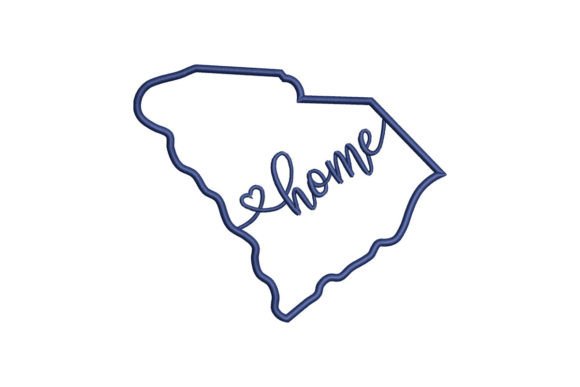
The immediate appeal of South Carolina State of America lies in its clean lines. The description claims it is minimalist yet stunning, and upon closer inspection, this holds true. The layout avoids unnecessary clutter, focusing instead on the recognizable silhouette of the state. For an embroidery project, this is crucial. Overly complex designs often suffer from thread breaks or puckering, especially on smaller items. This design’s visual personality is understated but confident. It does not scream for attention; rather, it invites a second look. This makes it an excellent candidate for modern handmade products where subtlety is valued over flashiness.
The mood it creates is one of grounded pride. It feels appropriate for both casual wear and slightly more refined home accents. Whether you are an Etsy seller looking to expand your regional collection or a hobbyist making a personalized gift, the design’s simplicity allows it to blend seamlessly with various fabric textures and thread colors.
Real-World Application: The Custom Tote Bag Test
To truly evaluate an embroidery file, you must imagine it stitched out. I recently considered this design for a custom tote bag order. Tote bags are popular small shop products because they offer a large, flat canvas for embroidery. Using South Carolina State of America on a heavy cotton canvas revealed its strengths. The minimalist nature of the design meant that the stitch density did not overwhelm the fabric. A dense fill stitch can sometimes make a tote bag stiff or cause it to warp, but this design appeared to use a balanced approach, likely utilizing a combination of satin stitch for borders and lighter fill or running stitch for internal details.
For an apparel decorator, this translates to versatility. Imagine this same design on a sweatshirt. Sweatshirt embroidery requires careful handling of stretchy, thick fabrics. Because the design is not overly large or dense, it sits well on fleece without causing excessive pulling. It would also work beautifully as a chest logo on a cap, provided the hoop size is compatible with the curved surface. The key here is scalability. A design that loses its integrity when scaled down is useless for caps or baby clothes. This design maintains its shape, making it a reliable choice for varied product lines.
Fabric Considerations and Stitch Performance
While the design is versatile, it is not without its technical requirements. When working with thin fabric, such as a kitchen towel or a lightweight t-shirt, the choice of stabilizer becomes critical. Even a minimalist design can pucker if the underlying support is insufficient. I recommend using a cut-away stabilizer for garments that will be washed frequently, ensuring the finished product retains its shape over time. For decorative items like pillow covers or framed embroidery art, a tear-away stabilizer might suffice, but always test on scrap fabric first.
Thread color contrast is another vital factor. On dark fabric, light threads will pop, highlighting the state’s outline. On light fabric, darker or vibrant threads can create a striking modern look. However, avoid using too many thread colors if the design relies on fine details. Too many color changes can interrupt the flow and increase production time, which is a concern for commercial embroidery projects where efficiency matters. Stick to one or two complementary thread colors to maintain the clean, minimalist aesthetic.
Navigating Potential Pitfalls
There are areas where caution is advised. If you plan to use this on textured fabrics like terrycloth or heavy linen, ensure that the stitch definition remains clear. Tiny lettering or intricate corners can get lost in high-pile fabrics. Since South Carolina State of America is described as minimalist, it likely avoids tiny text, but always zoom in on your digitizing software to check for potential jump stitches or tight turns that might cause thread breaks. Additionally, if you are creating an embroidered patch, consider adding a border or using a denser satin stitch around the edges to prevent fraying and give the patch a professional finish.
Commercial Value and Brand Consistency
For craft business owners and digital product sellers, the value of a design extends beyond its appearance. It is about how it enhances your brand. Using a cohesive set of regional designs, such as this one from the North America collection, helps build a recognizable aesthetic. Customers trust consistency. If your handmade product line features clean, modern embroidery, this design fits perfectly. It elevates the perceived value of the item, making it suitable for boutique branding or higher-priced personalized gifts.
Furthermore, this design is ideal for holiday embroidery or special occasions. State pride often peaks during local events, sports seasons, or holidays. Having a reliable, high-quality embroidery file ready to go allows you to capitalize on these trends quickly. Whether it is for a wedding gift featuring the couple’s home state or a baby embroidery piece for a new arrival, the design’s gentle aesthetic appeals to a broad audience.
Practical Designer Notes
Before you commit to stitching this design on a final product, follow these practical steps:
- Test on Scrap Fabric: Always run a test stitch on the same type of fabric you intend to use for the final product. This helps you identify any tension issues or puckering early.
- Check Hoop Size: Confirm that the design fits within your available hoop size. While minimalist, ensure it is not so small that details are lost on larger items.
- Review Stitch Density: Examine the stitch count and density in your software. If it seems too dense for lightweight fabric, consider adjusting the underlay or reducing the fill density if you have editing capabilities.
- Verify Licensing: If you are an Etsy seller or run a small shop, confirm the license terms for the digital embroidery file. Ensure you have the right to sell finished products made with this design.
- Mockup Testing: Create printable mockups or digital previews in both black and white and color. This helps you visualize how the design will look on different background colors before committing to thread purchases.
In conclusion, South Carolina State of America is a strong addition to any designer’s library. It offers the flexibility needed for diverse embroidery projects, from custom apparel to home décor. Its minimalist approach ensures that it remains stylish and relevant, avoiding the dated look that plagues many regional designs. By paying attention to fabric choice, stabilizer selection, and thread contrast, you can produce high-quality finished products that customers will love. For those in the craft business, this design represents a safe yet stylish bet for expanding your regional product line.