Reviewing Lovely Red Flower Leaves for Real Projects
As a designer who spends more time staring at stitch simulations than I care to admit, I have learned that not every machine embroidery design looks as good on fabric as it does on a screen. When I first pulled up Lovely Red Flower Leaves, my initial reaction was one of cautious optimism. The preview showed a vibrant, organic shape that promised elegance without excessive complexity. But previews can be deceiving. To truly evaluate this piece, I needed to understand how it behaves in the real world—on actual fabric, under the needle, and in the hands of a customer.
This review is written for fellow embroidery designers, Etsy sellers, and craft business owners who need to know if this design is worth their thread, time, and hoop space. We are looking beyond the pretty picture to assess practical usability, stitching clarity, and commercial potential.
First Impressions: Mood and Visual Personality
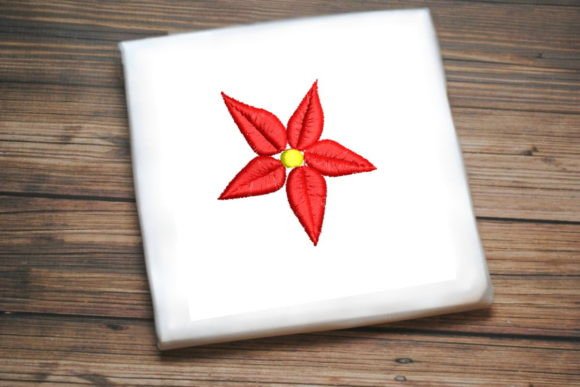
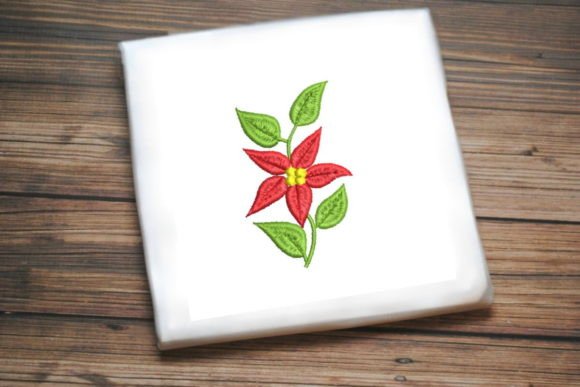
The immediate appeal of Lovely Red Flower Leaves lies in its balance. It belongs to the Single Flowers category, which often risks looking either too sparse or overly busy. This design avoids both pitfalls. The layout suggests a natural, flowing growth pattern, with the red petals taking center stage while the leaves provide a grounding, organic frame.
The mood is warm and inviting, making it an excellent candidate for projects that require a touch of softness. It does not scream for attention with aggressive density or chaotic lines; instead, it whispers elegance. For a handmade product, this subtlety is crucial. It allows the texture of the fabric to shine through, creating a finished product that feels high-end rather than mass-produced. The visual personality is versatile enough to fit into both modern minimalist aesthetics and traditional cottage-core styles, depending on your thread choices.
Real-World Application: From Mockup to Merchandise
To test the viability of this embroidery file, I imagined several common scenarios faced by small shop products creators. Let’s consider a custom embroidered tote bag. Tote bags are often made from canvas or heavy cotton, which have a distinct weave. A design like Lovely Red Flower Leaves needs enough substance to hold its own against this textured background. If the stitch density is too low, the design will look washed out. If it is too high, the fabric may pucker.
In my assessment, this design appears well-suited for medium-weight fabrics. Imagine it stitched onto a cream-colored linen apron or a navy blue sweatshirt. The contrast of the red flower against dark fabric creates a striking focal point, ideal for sweatshirt embroidery where you want a bold but refined look. For lighter applications, such as a baby onesie or a delicate handkerchief, the design’s "fun and easy to stitch" nature becomes a major asset. Complex, dense designs can feel stiff and uncomfortable on baby embroidery items, but a lighter, well-digitized floral motif remains soft against sensitive skin.
For Etsy sellers and digital product sellers, versatility is key. This design could easily serve as a central element for holiday embroidery projects, particularly around Valentine’s Day or Mother’s Day, given the romantic connotation of the red flower. It also works beautifully for personalized gifts, where a monogram might be integrated nearby, provided the spacing allows for it without crowding the floral elements.
Technical Considerations and Stitching Performance
While the description states that Lovely Red Flower Leaves is high-quality and easy to stitch, experienced makers know that "easy" is relative to your setup. Here is what you need to watch for when putting this design to work.
- Stitch Density and Fabric Choice: Always check the stitch density before running the job. On stretchy fabrics like jersey or knit, a stabilizer is non-negotiable. Without proper support, the pull of the satin stitch or fill stitch areas could distort the garment. For woven fabrics like cotton or linen, a cut-away stabilizer might be overkill; a tear-away could suffice, but test on scrap fabric first.
- Thread Color Contrast: The success of this design hinges on color selection. While the title specifies "Red," do not feel bound to a single shade. Try deep burgundy for a vintage look or bright coral for a modern twist. However, ensure your thread colors contrast sufficiently with the fabric. A red flower on a pink shirt will vanish. Use black and white mockups to check value contrast before you stitch.
- Hoop Size and Placement: Confirm the hoop size required for this design. If it is a larger motif, you may need a 5x7 or 6x10 hoop. Be mindful of placement on curved surfaces like caps. Floral designs can sometimes distort if the cap is not properly stabilized in a cap frame. For flat items like pillow covers or tea towels, placement is more forgiving, but always center your design carefully to maintain visual balance.
- Detail Clarity: Inspect the small details. Are the leaf veins defined by running stitch or satin stitch? Fine details can get lost if the thread tension is off or if the fabric has a loose weave. If you are using this for an embroidered patch, ensure the edges are clean and that there are no stray jumps that could unravel during wear and washing.
Commercial Viability and Brand Consistency
For commercial embroidery and boutique branding, consistency is everything. Lovely Red Flower Leaves offers a level of professionalism that can enhance buyer engagement. Customers trust handmade items that look neat and intentional. A sloppy stitch-out damages brand reputation, but a crisp, elegant floral design builds it.
When creating printable mockups or digital embroidery file previews for your online store, this design performs well because of its recognizable shape. It reads clearly even in thumbnail images, which is vital for Etsy listings. The design’s elegance adds perceived value to the finished product, allowing you to price your handmade items competitively. Whether you are selling custom apparel, home decor, or accessories, this floral motif supports a narrative of quality and care.
Where to Use Caution
No design is perfect for every situation. Avoid using Lovely Red Flower Leaves on very thin, sheer fabrics unless you are using a water-soluble stabilizer and fine threads, as the density might show through or cause puckering. Be cautious with dark, textured fabrics like heavy wool or fleece; the intricate details of the leaves might get lost in the pile. In these cases, simplifying the thread palette or increasing the scale of the design might help.
Additionally, if you plan to use this on items that require frequent, harsh washing, ensure your thread choice is colorfast and your backing is secure. A beautiful design is only as good as its longevity.
Final Verdict for Designers and Makers
Lovely Red Flower Leaves is a strong contender for your library of design assets. It strikes a commendable balance between aesthetic appeal and practical stitchability. It is not just a pretty picture; it is a functional tool for creating memorable handmade products.
Before you commit to a large production run or a high-stakes client project, always follow the golden rule: test on scrap fabric. Check your tension, verify your stabilizer, and confirm the licensing terms if you are selling finished items. If you are a hobbyist, enjoy the process of watching this flower bloom under your needle. If you are a craft business owner, recognize the potential this design has to elevate your small shop product line. With careful execution, Lovely Red Flower Leaves can become a staple in your portfolio, delivering elegance and gorgeous results on any suitable fabric.