Review: Her Fight is My Fight Breast Cancer Design
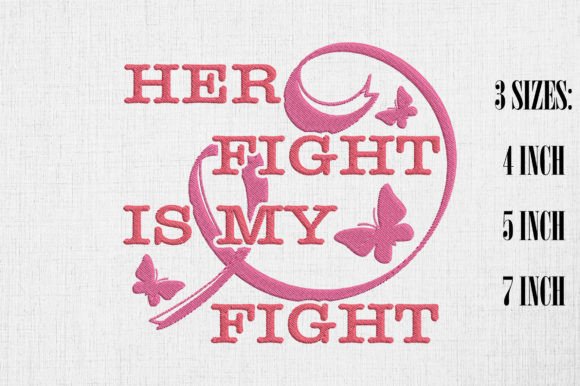
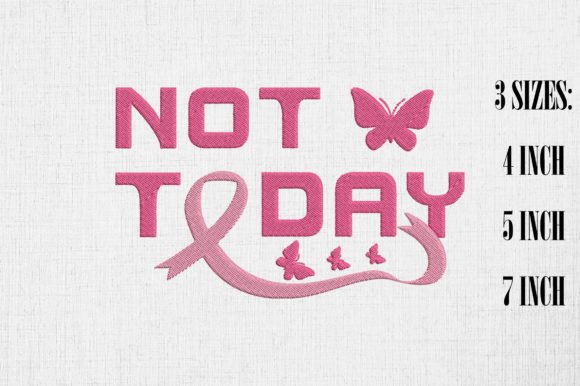
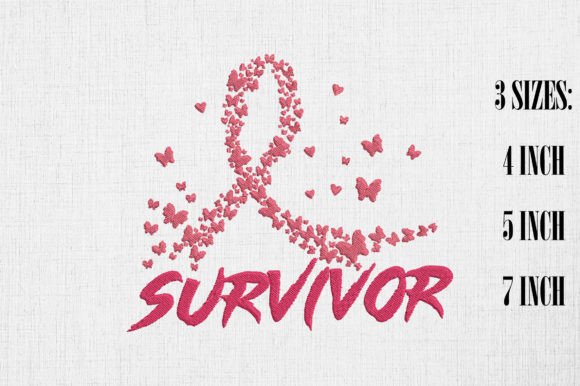
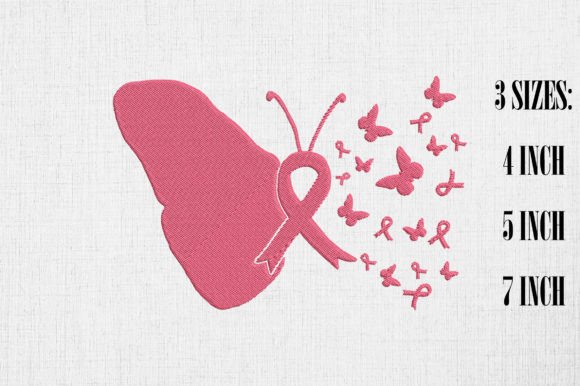
As an embroidery designer who has spent years digitizing logos and testing machine embroidery designs for small businesses, I approach every new file with a critical eye. It is not just about whether the design looks pretty on a screen; it is about how it performs under the needle, how it wears after fifty washes, and how it elevates a brand’s identity. Recently, I reviewed Her Fight is My Fight Breast Cancer, a digital embroidery file categorized under Awareness. This review focuses on its viability for commercial embroidery projects, specifically for boutique owners, Etsy sellers, and apparel decorators looking to create meaningful, high-quality merchandise.
First Impressions and Visual Personality
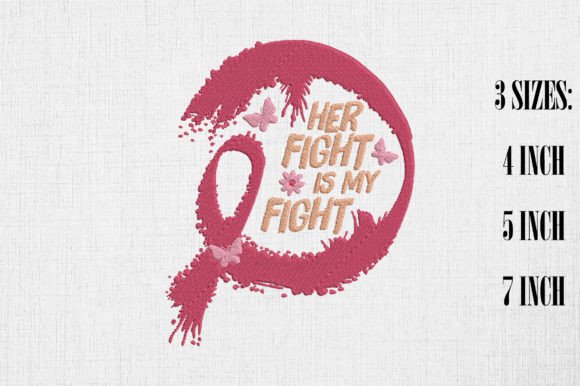
The title itself, Her Fight is My Fight Breast Cancer, suggests a design rooted in solidarity and support. In the world of branded patch use and custom apparel, emotional resonance is key. My first impression of this design is that it leans towards a professional yet heartfelt aesthetic. It does not appear overly playful or rustic; rather, it carries a tone of elegant strength. For a small business owner, this visual personality is crucial. It signals that the finished product is respectful and premium, suitable for both personal wear and corporate gifting.
The description notes that it will beautifully complement t-shirts, dresses, scarves, and home decor. From a design perspective, this versatility implies a balanced composition. It is likely neither too dense nor too sparse, allowing it to adapt to various fabric textures. However, "beautifully complement" is subjective. As a designer, I look for clean lines and appropriate stitch density. A design intended for scarves and home decor must handle delicate fabrics without puckering, while one for t-shirts must withstand stretching. This duality suggests the digitizer aimed for a medium-weight stitch structure, which is ideal for general-purpose small business merch.
Real-World Business Applications
Where does Her Fight is My Fight Breast Cancer fit in a commercial catalog? I envision this design performing exceptionally well as an embroidered patch. Patches are a trending asset for handmade brands because they allow for inventory flexibility. You can embroider batches of patches and apply them to tote bags, caps, or jackets only when an order is placed. This reduces waste and allows for customization.
For local businesses such as bakeries, florists, or creative studios, this design serves as a powerful community engagement tool. Imagine a local café offering a limited-edition apron embroidery featuring this motif during Breast Cancer Awareness month. It transforms a standard uniform into a statement piece. Similarly, for Etsy sellers specializing in custom apparel, this design can be the centerpiece of a capsule collection. It works effectively as a chest logo accent on work shirts or as a sleeve detail on denim jackets. The key here is positioning. On a tote bag design, placing it centrally creates a bold statement, whereas on a cap embroidery project, it requires precise scaling to fit the curved surface without distortion.
Furthermore, this design can enhance product packaging accents. A small, branded tag with this motif adds perceived value to any handmade product. It shows that the brand cares about more than just profit; it cares about connection. This builds customer trust and recognition, two pillars of strong brand identity.
Technical Considerations and Placement Challenges
While the concept is strong, technical execution is where many digital embroidery files fail. When using Her Fight is My Fight Breast Cancer, you must consider the limitations of your equipment and materials. Small patch sizes are a common pitfall. If the design includes fine lettering or intricate outlines, shrinking it below two inches may result in lost detail. Always check the minimum recommended size before production.
Cap fronts present another challenge. The curved surface of a baseball cap can distort designs if the stitch density is too high. I recommend running a test on a similar curved surface to ensure the design lays flat. Additionally, dark uniforms require careful thread color selection. High contrast is essential for readability. If the design relies on subtle shading, it may get lost on black or navy fabrics. In such cases, consider adding an underlay or choosing brighter thread colors to maintain visual consistency.
Fabric texture also plays a significant role. Embroidering on textured fabrics like towels or heavy canvas requires different stabilizer strategies than embroidering on smooth cotton. For home decor items mentioned in the description, such as pillowcases or throws, ensure you use a cut-away stabilizer to prevent the design from pulling or distorting over time. Items that need frequent washing, like staff uniforms and aprons, demand robust stitching. Verify that the design does not have long jumps or loose threads that could snag in industrial washers.
Impact on Brand Identity and Customer Engagement
Incorporating Her Fight is My Fight Breast Cancer into your product line does more than add a graphic; it shapes your brand identity. It positions your business as socially conscious and community-oriented. For buyers, this emotional connection often translates to higher engagement and loyalty. A customer is more likely to share a printable mockup of a meaningful design on social media than a generic logo. This organic marketing boosts visibility for your small business.
Moreover, professionalism in embroidery reflects directly on product value. A clean, well-digitized design signals quality. Conversely, a poorly executed design can cheapen even the most expensive garment. By choosing a design that balances aesthetic appeal with technical feasibility, you ensure that every finished product reinforces your reputation for excellence. This is particularly important for craft businesses and product designers who rely on word-of-mouth and repeat customers.
Practical Designer Notes for Production
Before you load this digital embroidery file into your machine, follow these practical steps to ensure success:
- Test in Black and White First: Remove color variables to check for clarity and contrast. If the design loses definition in grayscale, it may need adjustment.
- Check Small Patch Viability: Stitch out a miniature version to confirm that details remain sharp and do not merge.
- Review Thread Color Contrast: Ensure your chosen palette stands out against the base fabric. Use a color wheel to find complementary or high-contrast combinations.
- Inspect Spacing and Density: Look for areas where stitches might overlap excessively, causing bulk, or where gaps might expose the fabric.
- Confirm Hoop Size: Although the description mentions multiple embroidery file formats, always verify the specific hoop size required for your machine to avoid resizing errors.
- Test on Real Fabric: Never skip the sample stage. Use the exact fabric and stabilizer you plan to use for production.
- Create a Printable Mockup: Show clients or stakeholders a realistic preview before committing to bulk production. This manages expectations and reduces revisions.
- Compare Beside Other Design Assets: Ensure this design aligns visually with your existing branding elements for a cohesive look.
- Confirm Commercial Licensing: The description states it "can be use," but always read the full license agreement. Confirm you have the right to sell finished products made with this design.
Since the product description notes that the machine embroidery design comes with multiple embroidery file formats, take advantage of this. Different machines read different formats optimally. Choose the native format for your specific brand of embroidery machine to ensure the best stitch interpretation. If stitch count or exact dimensions are not explicitly provided in the listing, contact the seller or check the included documentation before purchasing. These details are vital for costing your labor and pricing your final product accurately.
In conclusion, Her Fight is My Fight Breast Cancer offers a compelling option for businesses looking to create impactful, awareness-driven merchandise. By approaching it with a designer’s mindset—focusing on placement, fabric compatibility, and technical precision—you can transform this digital asset into a profitable and meaningful part of your small business offerings. Whether used for custom apparel, branded patches, or community gifts, its success lies in the quality of your execution.