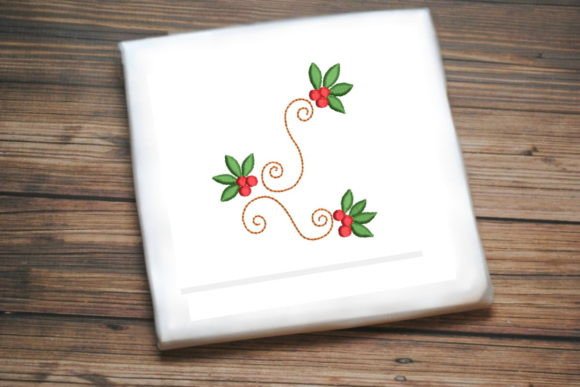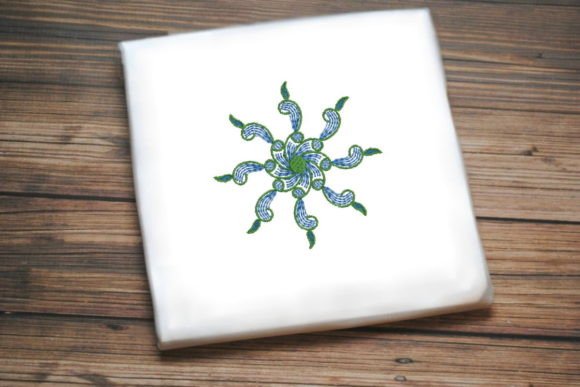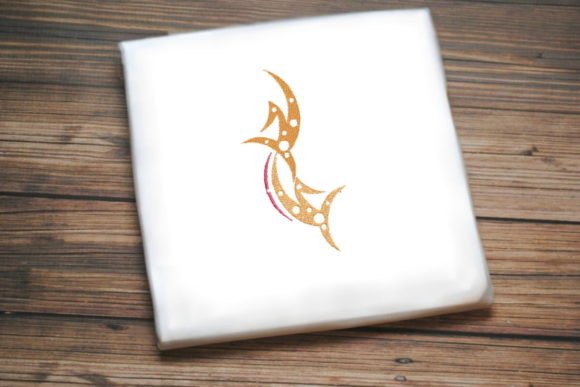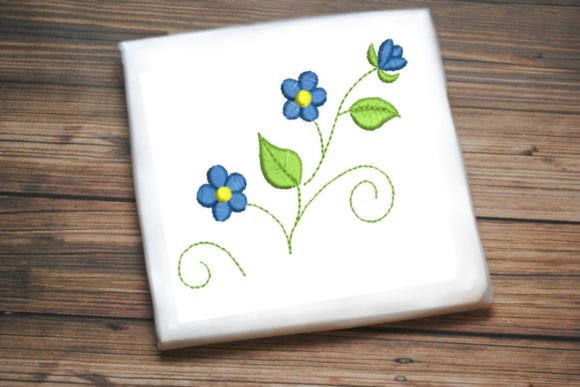
Review: Decorative Green Leaf Element for Holiday Sales
As an embroidery designer who spends countless hours digitizing and testing patterns, I approach every new machine embroidery design with a critical eye. It is not just about whether the stitches look good on my screen; it is about how that design will perform in the real world of holiday sales and seasonal gifting. Recently, I added the Decorative Green Leaf Element to my workspace to evaluate its potential for upcoming product lines. This piece falls under the category of Single Flowers, yet its versatility extends far beyond a simple floral motif. For Etsy sellers, boutique owners, and handmade crafters, understanding the nuance of such a design is crucial for creating high-converting small shop products.
First Impressions: A Versatile Seasonal Staple
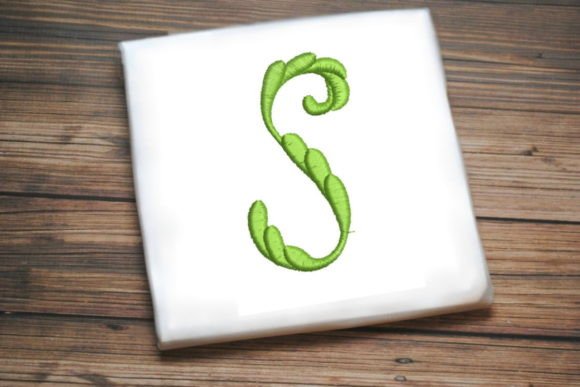
The first thing that strikes me about the Decorative Green Leaf Element is its balanced aesthetic. It manages to be both elegant and approachable, striking a tone that is neither too rustic nor overly modern. In the context of seasonal embroidery, greenery is often overlooked in favor of bright reds or golds, but this leaf element offers a sophisticated backdrop that enhances rather than overwhelms. The detail level is sufficient to catch the eye without becoming a stitching nightmare. It feels organic and fresh, which is exactly what buyers are looking for when they want to move away from kitschy holiday tropes toward something more timeless.
For those of us creating holiday embroidery collections, this design serves as a perfect anchor. It evokes a sense of calm and natural beauty, making it ideal for customers seeking a "cozy" or "premium" vibe. Whether you are aiming for a nostalgic Christmas feel or a fresh winter solstice aesthetic, this leaf provides the necessary visual weight to ground a composition.
Real-World Applications for Holiday Products
When I review a digital embroidery file, I immediately visualize it on various substrates. The Decorative Green Leaf Element shines in several key product categories that dominate the Q4 shopping season. Here is how I see it performing in a real retail environment:
- Sweatshirt Embroidery: Placed on the left chest or as a small cluster on the sleeve, this leaf adds a touch of nature-inspired elegance to neutral-toned hoodies and crewnecks. It pairs beautifully with monograms for a personalized gift appeal.
- Kitchen Towel Embroidery: Holiday hosting is huge, and embroidered linens are top sellers. This design looks gorgeous on waffle weave or flour sack towels, offering a subtle decorative touch that doesn't interfere with the towel's function.
- Tote Bag Design: Canvas totes are staple items for gift-giving. A single, well-stitched leaf element creates a minimalist look that appeals to modern shoppers who prefer understated style over loud graphics.
- Pillow Cover Accents: For home decor, using this element on velvet or linen pillow covers can elevate a living room's seasonal look. It works particularly well in earth-tone palettes.
- Embroidered Patch Creation: If you offer iron-on or sew-on patches, this design’s clean lines make it an excellent candidate. Patches are low-commitment purchases that often serve as impulse buys at craft fairs.
Furthermore, this element is fantastic for creating gift bundles. Imagine a set featuring a mug, a coaster, and a tea towel, all adorned with variations of this leaf motif. Such cohesive sets increase the perceived value and encourage higher average order values.
Navigating Technical Challenges and Fabric Choices
While the Decorative Green Leaf Element is described as fun and easy to stitch, experienced designers know that "easy" is relative to the material and setup. There are specific scenarios where you must exercise caution to ensure your finished product meets professional standards.
First, consider the hoop size. While this is a single element, ensure you have enough margin around the design for proper hooping, especially if you plan to combine it with text or other graphics. On smaller items like baby bibs or ornament fronts, verify that the scale remains legible. Shrinking a complex leaf design too much can result in lost detail and thread breaks.
Fabric texture plays a massive role in the final outcome. On thick towels, you must use an appropriate cut-away stabilizer to prevent puckering. The density of the stitches should be checked against the fabric weight; if the stitch density is too high for a lightweight silk or rayon, it may cause distortion. Always run a test stitch on a scrap piece of your actual production fabric before committing to a full batch.
Dark fabrics present another challenge. If you are stitching this green leaf on navy or black garments, ensure your thread colors have enough contrast. You might need to adjust the shading in your digitizing software or choose a brighter variegated green thread to make the design pop. Additionally, be cautious with stretchy garments like athletic wear; improper stabilization can lead to the design warping after washing.
Boosting Seasonal Appeal and Brand Consistency
From a marketing perspective, the Decorative Green Leaf Element is a powerful tool for building brand recognition. Consistency is key for any Etsy seller or small business owner. By using this element across multiple product types—from aprons to ornaments—you create a visual language that customers begin to associate with your brand. This consistency builds trust and makes your shop look curated and professional.
During the holiday rush, buyer emotion drives sales. This design taps into the desire for natural, sustainable, and handcrafted aesthetics. It feels authentic. When you showcase this design in printable mockup images or social media previews, highlight the texture of the thread and the quality of the stitch. Show close-ups that demonstrate the precision of the embroidery. These details reassure customers that they are buying a high-quality handmade gift, not a mass-produced item.
Practical Designer Notes for Success
To get the most out of this design, keep these practical tips in mind:
- Test Thread Colors: Always stitch a sample on both light and dark fabrics to verify color vibrancy and contrast.
- Check Stitch Density: Review the file settings to ensure the density matches your fabric type. Adjust if necessary to prevent puckering.
- Confirm Hoop Size: Ensure your machine’s hoop can accommodate the design plus any additional elements you plan to add.
- Use Proper Stabilizer: Match your stabilizer to the fabric. Cut-away for knits and stretchy materials, tear-away for stable woven cottons.
- Create Realistic Mockups: Use high-quality photos of stitched samples rather than just digital renderings to show customers the true texture and look.
- Review Small Details: After stitching, inspect the tip of the leaf and any inner details for loose threads or missed stitches.
- Plan Matching Palettes: Develop a color story for your collection. This green leaf pairs well with creams, browns, soft pinks, and deep reds.
- Confirm Licensing: Before selling any commercial embroidery products, always double-check the license terms provided with the embroidery file to ensure you are compliant.
In conclusion, the Decorative Green Leaf Element is a valuable addition to any seasonal catalog. It offers the flexibility needed for diverse product lines while maintaining a high standard of aesthetic appeal. For those of us in the business of creating joy through stitched goods, this design provides a reliable, elegant foundation for holiday success. Just remember to respect the technical requirements of your materials, and you will find this element to be a consistent performer in your shop.