My 1st Christmas Applique: A Designer’s Review
As an embroidery designer who has spent years digitizing for small businesses and boutique brands, I approach every new machine embroidery design with a critical eye. It is not just about whether a motif looks cute on a screen; it is about how it performs in the real world of commercial production. Today, I am reviewing My 1st Christmas Applique, a festive design intended for baby items but holding significant potential for broader small business merchandise applications. For shop owners, Etsy sellers, and apparel decorators, understanding the nuance of this digital embroidery file is key to maximizing its value in your holiday product line.
First Impressions: Visual Personality and Brand Fit
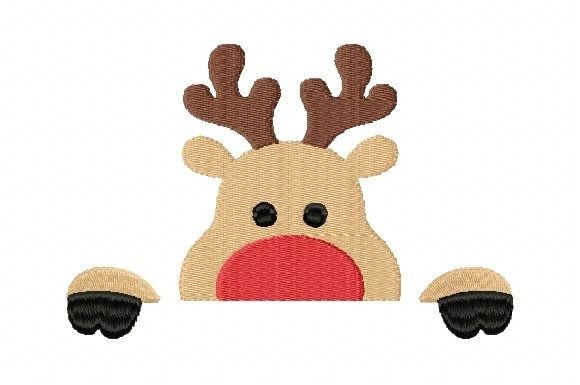
The immediate impression of My 1st Christmas Applique is one of warmth and approachability. The description highlights its suitability for baby onesies, bibs, and toys, which suggests a soft, playful aesthetic. In the context of brand identity, this design leans heavily into the "handmade" and "friendly" spectrum. It does not scream corporate rigidity; instead, it invites emotional connection. For a small business, particularly those in the family, childcare, or gift sectors, this visual personality is a powerful asset. It signals care, tradition, and personal touch.
However, for businesses outside the baby niche, such as a local bakery, a florist, or a pet brand, the challenge lies in adaptation. The design must be evaluated not just for its cuteness, but for its versatility. Does it maintain its integrity when scaled down for a chest logo? Does it retain clarity when used as a sleeve detail on staff uniforms? These are the questions that separate a decorative hobby project from a viable commercial embroidery asset.
Real-World Business Applications
When considering My 1st Christmas Applique for small business merch, we must look beyond the obvious baby garments. Here is how this design can function across various commercial contexts:
- Embroidered Patches: This is perhaps the most versatile application. By stitching the design onto twill or felt and cutting it out, you create a removable patch. This allows cafes or boutiques to add a seasonal accent to aprons or tote bags without committing to permanent embroidery on expensive uniform pieces. It also simplifies inventory management, as you can produce patches in bulk and apply them as needed.
- Custom Apparel and Uniforms: For staff in retail or hospitality, a subtle placement of this design on the sleeve or pocket area of a work shirt can enhance the festive atmosphere without overwhelming the brand logo. It serves as a conversation starter and adds a layer of personalized service to the customer experience.
- Tote Bag Design: Canvas totes are staples for handmade brands. Using this applique as a central feature or a corner accent can transform a standard bag into a limited-edition holiday item. The texture of the applique fabric against the canvas creates a premium, tactile finish that customers love.
- Customer Gifts and Packaging Accents: Small businesses often include freebies with orders. A small embroidered tag or a mini-patch featuring this design can be attached to packaging, elevating the unboxing experience and reinforcing brand loyalty.
Technical Considerations for Production
While the aesthetic appeal is clear, the technical execution determines the quality of the finished product. As a designer, I always advise testing any new embroidery file rigorously before full-scale production. Here are the critical factors to monitor with My 1st Christmas Applique:
Fabric Texture and Stabilizer Selection
Applique designs rely on the contrast between the base fabric and the applique material. When working with textured fabrics like terry cloth for bibs or heavy canvas for totes, the stitch density becomes crucial. If the density is too low, the underlying fabric may show through, creating a messy look. Conversely, excessive density can cause puckering. Always use the appropriate stabilizer—cut-away for stretchy knits and tear-away for stable wovens—to ensure the design lays flat and crisp.
Scale and Legibility
One common mistake is scaling a design down too far. If you intend to use My 1st Christmas Applique on a cap front or a small label, you must verify that the details remain visible. Tiny lettering or intricate outlines can merge into a blob of thread if the hoop size is too small or the resolution is insufficient. I recommend creating a printable mockup at actual size to check legibility before stitching. If the design includes fine details, consider simplifying the stitch path or increasing the overall size for better clarity.
Thread Colors and Contrast
The success of an applique design often hinges on thread color choice. For dark uniforms or navy caps, ensure that the satin stitches outlining the applique provide enough contrast. A dark thread on a dark fabric will hide the definition, making the design look unfinished. Test your thread colors on scrap pieces of the actual garment material to confirm visibility and aesthetic harmony.
Strategic Use for Brand Identity
Incorporating seasonal designs like My 1st Christmas Applique into your product lineup is more than just decoration; it is a strategic move for brand engagement. It shows that your business is active, current, and attentive to cultural moments. For handmade brands, this reinforces the narrative of artisanal care. For larger small businesses, it humanizes the brand, making it feel more accessible and community-oriented.
However, consistency is key. Ensure that the style of this embroidery aligns with your existing design assets. If your brand is minimalist and modern, a overly ornate or rustic applique might clash. Evaluate how this design sits beside your primary logo and other graphical elements. It should complement, not compete with, your core brand identity.
Practical Designer Notes for Buyers
Before purchasing and producing with this digital embroidery file, take these practical steps to ensure professional results:
- Check File Formats: The description mentions multiple formats, but verify that your specific machine software supports the included files. Common formats include PES, DST, and EXP. Missing the right format can halt production.
- Confirm Commercial Licensing: Never assume a file is free for commercial use. Check the license terms explicitly. Some designers allow unlimited sales, while others require an extended license for high-volume production.
- Test on Real Fabric: Screen images can be misleading. Stitch a sample on the exact fabric you plan to use for your final product. This reveals issues with tension, registration, and fabric shift.
- Evaluate Hoop Size Requirements: Ensure the design fits within your available hoop sizes. If you only have a 4x4 hoop and the design requires a 5x7, you will need to resize or purchase a different version, which may affect stitch quality.
- Create Client Mockups: If you are producing for clients, use digital mockups to show them how the design will look on their specific items. This manages expectations and reduces revision requests.
In conclusion, My 1st Christmas Applique offers a charming and versatile option for small business merchandise. When handled with technical precision and strategic placement, it can enhance brand identity, boost customer engagement, and add tangible value to your holiday product offerings. Whether used for baby items, staff uniforms, or promotional patches, this design has the potential to be a standout element in your seasonal collection, provided you respect the technical constraints of machine embroidery.