Growing Winged Flower: A Designer’s Real-World Review
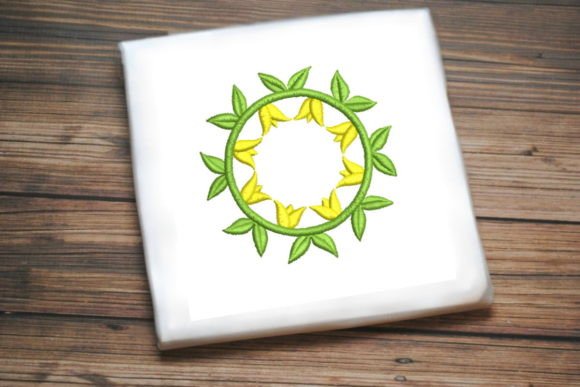
As a designer who has spent countless hours digitizing and stitching out patterns, I have learned that the true test of any machine embroidery design is not how it looks on a screen, but how it behaves under the needle. When I first loaded the Growing Winged Flower file into my software, I was immediately drawn to its abstract yet organic silhouette. It sits comfortably within the Outline Flowers category, offering a blend of modern minimalism and classical botanical charm. This review is not just a description; it is a practical evaluation based on how this design performs in real-world embroidery projects, from custom apparel to boutique home goods.
First Impressions: Mood and Visual Personality
The Growing Winged Flower creates a mood that is both airy and grounded. The abstract shapes suggest movement, as if the petals are caught in a gentle breeze. For designers and Etsy sellers, this visual personality is crucial. It does not scream for attention with dense, heavy stitching; instead, it invites the viewer to look closer. The layout is balanced, making it an ideal candidate for borders or standalone accents on fabrics that need a fresh, sophisticated touch. Unlike traditional floral motifs that can feel dated, this design feels contemporary, fitting seamlessly into modern design assets for small shops and creative entrepreneurs.
Real-Case Scenario: The Custom Tote Bag Project
To truly understand the value of this pattern, let us look at a specific scenario. Imagine you are preparing a custom order for a local bookstore owner who wants branded tote bag designs. She needs something that looks artistic but remains durable for daily use. Here, Growing Winged Flower shines. Because the design relies on abstract shapes rather than hyper-realistic details, it translates beautifully onto canvas or heavy cotton.
In this context, the design acts as a subtle brand marker. It does not overwhelm the bag’s surface. When stitched out, the lines remain crisp, providing a professional finish that enhances the perceived value of the handmade product. Customers are more likely to trust a brand that uses clean, well-executed graphics. This design helps build that trust by avoiding the clutter often seen in lower-quality commercial embroidery jobs. It turns a simple tote into a piece of wearable art, increasing its giftability and appeal as a personalized gift.
Versatility Across Product Lines
Beyond tote bags, the versatility of Growing Winged Flower makes it a strong contender for various embroidery projects. For sweatshirt embroidery, the open nature of the design prevents the fabric from puckering, a common issue with denser patterns. On baby embroidery items like onesies or burp cloths, the soft, flowing lines feel gentle and appropriate for nursery decor. It also works exceptionally well for holiday embroidery gifts, such as linen napkins or pillow covers, where a touch of elegance is required without excessive bulk.
For craft business owners looking to expand their catalog, this design can be scaled for embroidered patch production. However, one must be mindful of the scale. When reducing the size for patches or caps, the abstract elements must remain distinct. If the details become too small, they may merge, losing the intended aesthetic. Therefore, testing different sizes is essential before committing to a full production run of small shop products.
Technical Considerations and Fabric Compatibility
While Growing Winged Flower is visually striking, its performance depends heavily on technical execution. As an experienced reviewer, I must highlight where caution is needed. The design’s abstract nature means it likely utilizes a mix of running stitch and possibly light fill stitch or satin stitch elements. On textured fabrics, such as terry cloth or heavy wool, fine lines can get lost. In these cases, increasing the stitch weight or choosing high-contrast thread colors is necessary to maintain clarity.
When working with stretchy fabrics like jersey for custom apparel, proper stabilization is non-negotiable. A cut-away stabilizer is recommended to prevent distortion during washing. For thin fabrics, such as silk or lightweight cotton used in summer dresses, a tear-away stabilizer might suffice, but hooping must be tight and precise to avoid shifting. The hoop size should be chosen to minimize re-hooping if the design is part of a larger border pattern, ensuring seamless alignment.
Dark fabrics present another challenge. If the design relies on subtle shading, it may not pop against black or navy backgrounds. In such instances, using a lighter thread color or adding an underlay stitch can enhance visibility. Always test the design on scrap fabric that matches your final material. This step saves time and materials, ensuring that the finished product meets professional standards.
Enhancing Brand Consistency and Customer Engagement
For digital product sellers and apparel decorators, consistency is key. Growing Winged Flower offers a recognizable style that can become part of a brand’s visual identity. When used across multiple products—such as aprons, tea towels, and wall hangings—it creates a cohesive collection. This consistency helps in building brand recognition, making your printable mockup portfolios look more professional and curated.
Moreover, the design’s aesthetic appeals to buyers who value uniqueness. In a market saturated with generic florals, this abstract approach stands out. It signals to customers that the creator has a keen eye for design, which can justify higher price points. Whether you are selling digital embroidery files or finished goods, the quality of the design directly impacts buyer engagement. A well-stitched, thoughtfully placed motif encourages social sharing and repeat business.
Practical Notes for Designers and Makers
Before integrating Growing Winged Flower into your workflow, consider these practical steps:
- Test on Scrap Fabric: Always stitch a sample on the actual fabric you plan to use. Check for puckering, thread breaks, and overall appearance.
- Check Thread Contrast: Ensure your thread colors contrast sufficiently with the fabric, especially for intricate abstract shapes.
- Review Stitch Density: If the design feels too heavy or too light, adjust the density settings in your software if you have the editable file, or choose appropriate thread weights.
- Confirm Hoop Size: Verify that the design fits within your available hoop sizes without requiring complex re-hooping techniques.
- Inspect Small Details: Zoom in on the design to ensure no elements are too fine to stitch reliably on your specific machine.
- Mockup Testing: Create black and white mockups to see how the design holds up without color reliance. This helps in understanding its structural integrity.
- Licensing Verification: Always confirm the license terms. Ensure you have the right to use the design for commercial purposes if you are selling finished items or design assets.
In conclusion, Growing Winged Flower is a thoughtful addition to any designer’s library. It bridges the gap between classical elegance and modern abstraction, making it suitable for a wide range of embroidery applications. By paying attention to fabric choice, stabilization, and stitch execution, you can leverage this design to create high-quality, memorable products that resonate with customers. Whether you are a hobbyist creating personalized gifts or a seasoned Etsy seller expanding your line, this pattern offers the flexibility and style needed to elevate your craft.