Fog Lettering: A Designer’s Review for Fall Sales
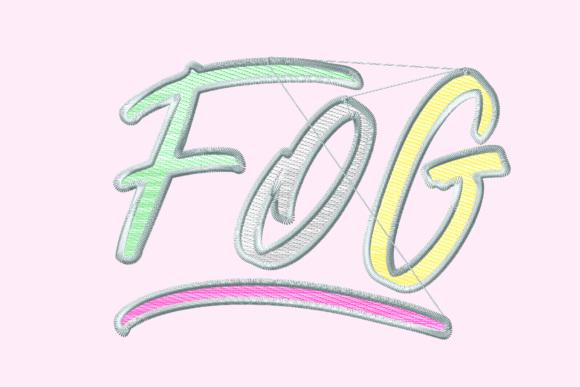
As an embroidery designer who has spent countless hours hooping fabric and tweaking tension settings, I know that not every machine embroidery design is created equal. Some are purely decorative, while others are workhorses built to drive sales at weekend markets. Recently, I reviewed a new addition to my digital library called Fog Lettering. The premise is simple yet evocative: this design promises to make your fall season special with a beautiful satin stitch finish. It claims suitability for both vintage and modern styles, specifically highlighting its potential on T-shirt designs. But does it hold up when you are trying to fill a craft fair booth with high-quality, sellable goods? Let’s dive into a real-world assessment of how this embroidery file performs in a commercial setting.
First Impressions: Mood and Market Fit
The name Fog Lettering immediately conjures images of misty mornings and crisp autumn air. In the context of an Autumn product line, this is a powerful emotional hook. Upon loading the preview, the design feels soft yet structured. The reliance on satin stitch suggests a premium, tactile quality that customers love to touch. Unlike complex fill stitches that can look bulky on certain fabrics, satin stitch offers a smooth, glossy finish that catches the light beautifully. This makes the design feel elegant and slightly rustic, bridging the gap between farmhouse charm and modern minimalism. For a craft fair product, this versatility is crucial. You do not want a design that screams "too seasonal" to be sold in October but looks out of place in November. Fog Lettering strikes a balance that feels timeless enough to linger in a customer’s mind.
Product Applications: Where It Shines
When planning my table display, I consider which items offer the best canvas for the design. Here is how Fog Lettering translates across various handmade products:
- Tote Bags and Market Bags: This is arguably the strongest application. A canvas tote provides a large, flat surface where the satin stitch can lay perfectly flat. The contrast of white or cream thread against a natural cotton bag creates an instant tote bag design that sells itself. It looks expensive and thoughtful, elevating a basic bag into a boutique item.
- Aprons and Tea Towels: For kitchenware, the design adds a touch of sophistication. Apron embroidery benefits from the durability of satin stitch, which holds up well to washing if properly stabilized. Similarly, tea towel embroidery allows for a delicate accent near the hem. However, one must be cautious with textured towels; the smoothness of the satin stitch might get lost if the fabric texture is too aggressive.
- Caps and Headwear: Curved surfaces are tricky. While the description mentions T-shirts, applying this to caps requires careful hoop placement. If the lettering is too wide, it may distort on the front panel of a baseball cap. It works best as a smaller, centered element rather than a sweeping arc.
- Patches and Pouches: Creating an embroidered patch allows for batch production. You can stitch multiple patches on a single piece of stabilizer-backed fabric, cut them out, and sell them as add-ons. This is a fantastic strategy for maximizing the value of a single digital embroidery file.
Production Practicality for Small Shops
For Etsy sellers and small shop owners, time is money. The efficiency of Fog Lettering depends largely on its execution. Satin stitches are generally faster to sew than dense fills, which is a plus for batch production. However, the width of the satin column is critical. If the columns are too wide, they become prone to snagging and may pull the fabric. If they are too narrow, the detail might be lost. As a designer, I recommend checking the stitch density in your software before running a full batch. A moderate density ensures the design looks solid without using excessive thread, keeping your material costs down.
Photography is another key factor. This design photographs exceptionally well because satin stitch has a natural sheen. When creating a printable mockup or taking photos for your online listings, use side lighting to highlight the texture of the threads. This visual appeal drives buyer engagement and helps justify a higher price point for your finished product.
Careful-Use Notes and Technical Considerations
While Fog Lettering is versatile, it is not without its challenges. Here are some technical points to consider before you start stitching:
- Fabric Choice: Satin stitch shows every imperfection in the underlying fabric. Avoid loosely woven materials unless you use a heavy cut-away stabilizer. Dark fabrics can be tricky if the design relies on light thread; ensure high contrast for readability.
- Size Matters: If you scale the design down too much, the satin columns may merge, causing thread breaks or a messy appearance. Always test the smallest size you intend to sell on scrap fabric first.
- Stabilizer Selection: For stretchy fabrics like T-shirts, a tear-away stabilizer might not be enough. Consider using a poly-mesh or cut-away stabilizer to prevent the satin stitch from puckering the garment over time.
- Thread Colors: Since the design is described as suitable for vintage and modern styles, thread choice defines the mood. Earth tones like olive, rust, and slate gray enhance the Autumn vibe, while pastels can soften it for spring transitions.
Boosting Brand Consistency and Sales
Using a cohesive design like Fog Lettering helps build brand consistency. If you are a creative entrepreneur focusing on handmade goods, having a signature style makes your booth recognizable. This design acts as a strong visual anchor. It is easy to understand at a glance, which is vital for walk-by traffic at craft fairs. Customers do not have time to decipher complex imagery; they need to feel the emotion of the piece instantly. The "fog" concept, combined with clean lettering, offers that immediate emotional connection.
Furthermore, this design serves as an excellent design asset for expanding your product line. You can use the same embroidery file to create pillow covers, wall hangings, or even personalized gifts. The key is to vary the fabric and thread combinations to keep the offerings fresh while maintaining a unified aesthetic. This approach simplifies inventory management and allows you to market a collection rather than isolated items.
Final Designer Verdict
Before committing to a large production run, always perform a test stitch. Check the tension, inspect the back for loose threads, and ensure the hoop size you are using accommodates the design without requiring re-hooping. Verify the commercial licensing terms of the digital embroidery file to ensure you are compliant when selling commercial embroidery products. If the license allows for unlimited physical sales, Fog Lettering becomes a low-risk, high-reward addition to your catalog.
In conclusion, Fog Lettering is a strong contender for your fall lineup. Its satin stitch construction offers a premium look that appeals to buyers seeking quality handmade products. By carefully selecting fabrics, optimizing stabilizer use, and leveraging its versatility across totes, aprons, and patches, you can create a compelling display that stands out in any market. Remember, the success of the design lies not just in the file itself, but in how thoughtfully you apply it to your small shop product range. Treat it with the attention to detail it deserves, and it will likely become a staple in your Embroidery business for seasons to come.