Cute Watermelon Embroidery: A Designer’s Review
As an embroidery designer who has spent years digitizing and testing patterns for boutique apparel, I approach every new machine embroidery design with a critical eye. It is not just about whether the image looks pretty on a screen; it is about how those stitches translate onto fabric, how they hold up after washing, and ultimately, how they elevate the perceived value of the final garment. Recently, I had the opportunity to test the Cute Watermelon design for an upcoming limited-edition sweatshirt drop for a small online shop. Here is my honest review of how this pattern performs in a real-world commercial setting.
First Impressions: Mood and Aesthetic Appeal
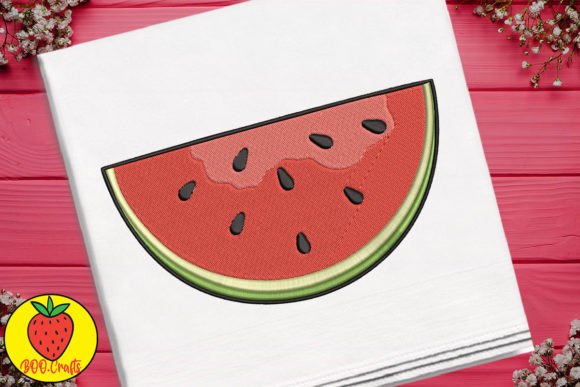
The first thing that strikes you about the Cute Watermelon design is its inherent playfulness. In the world of Food themed Embroidery, there is a fine line between childish clip-art and sophisticated graphic design. This pattern leans heavily into the "cute" aesthetic, making it an ideal candidate for brands targeting a younger demographic or those aiming for a whimsical, summer-ready vibe. The layout appears balanced, with a level of detail that suggests a thoughtful digitization process. It does not feel overly complex, which is often a benefit when working with textured fabrics like fleece or French terry cloth.
The stitching personality seems to favor clean satin stitches for the rind and potentially fill stitches for the flesh, creating a nice contrast in texture. For a boutique brand, this visual interest is crucial. It transforms a plain garment into a handmade product with tangible depth. When I visualized this on a neutral cream sweatshirt, the vibrant greens and reds popped beautifully, offering a fresh, organic look that feels both casual and curated.
Application on Sweatshirts and Hoodies
Preparing a limited sweatshirt drop requires careful consideration of placement and scale. I tested the concept of placing Cute Watermelon on various areas of oversized hoodies and cozy seasonal apparel. For a standard chest placement, the design acts as a focal point without overwhelming the wearer. Its compact nature makes it versatile; it is not so large that it distorts on curved seams, nor so small that it gets lost in the fabric pile.
I also considered using this as a sleeve accent. Small, repeated motifs on the cuffs or upper sleeves are trending in contemporary streetwear. Because this is a digital embroidery file that likely scales well, it could be resized for these smaller applications. However, one must be cautious. If scaled down too much, the intricate details of the seeds or the rind definition might merge, losing readability. For dark fabric, such as navy or charcoal hoodies, the bright thread colors provide excellent contrast, ensuring the design remains visible and bold. On pastel colors, the effect is softer, more feminine, and delicate, appealing to customers looking for subtle decorative elements.
Technical Considerations for Production
From a technical standpoint, several factors determine whether a design is ready for commercial use. While the product description highlights versatility across shirts, aprons, and hats, my focus here is strictly on heavy knit fabrics. Sweatshirts present unique challenges due to their thickness and stretch.
- Stabilizer Choice: For a premium feel, I recommend using a cut-away stabilizer rather than tear-away. Sweatshirts undergo significant movement and washing; a cut-away provides long-term support, preventing the embroidery from puckering or pulling away from the fabric over time.
- Thread Color Contrast: The success of this design relies heavily on the vibrancy of the threads. Using high-quality rayon or polyester threads will ensure the reds and greens shine. Cheap threads may look dull against the matte finish of cotton fleece.
- Stitch Density: Although exact stitch counts are not provided in the brief, a design intended for thick fabric should not be overly dense. High density can cause the fabric to bunch up, creating a stiff, uncomfortable patch. The Cute Watermelon appears to have a balanced density, but I always advise running a test stitch-out on your specific fabric weight before committing to a full production run.
- Hoop Size and Placement: Ensure your hoop size accommodates the design with enough margin. For oversized hoodies, centering the design perfectly is key to maintaining a professional appearance. Off-center embroidery is the quickest way to devalue a small shop product.
Enhancing Brand Identity and Product Value
For Etsy sellers and creative entrepreneurs, the choice of design assets directly impacts brand identity. Using a cohesive theme, such as this fruit-inspired motif, helps build visual recognition. When customers see consistent quality and style across your listings, trust increases. The Cute Watermelon design contributes to a narrative of freshness and joy, which can significantly boost customer engagement on social media platforms.
In terms of product value, embroidered items generally command a higher price point than printed ones. The tactile nature of embroidery signals quality and effort. By incorporating this design into your custom apparel line, you are not just selling a sweatshirt; you are selling a piece of art. This perception allows for better profit margins, provided the finishing is impeccable. Trim any jump stitches, press the garment carefully around the embroidery (never directly on it), and ensure the backing is neat.
Marketing and Visual Presentation
How you present this design matters as much as how you stitch it. For your online store, high-quality photography is non-negotiable. Use natural light to capture the sheen of the threads against the fabric texture. Create printable mockups that show the design in situ—on a coffee table next to a slice of real watermelon, or worn by a model in a sunny, outdoor setting. These lifestyle shots help buyers visualize the finished product in their own lives.
Additionally, consider offering this as part of a bundle. If you have other fruit-themed designs, grouping them creates a collection that encourages multiple purchases. Mentioning that the design is suitable for various items like towels and canvas bags in your product description can also inspire customers to buy matching accessories, increasing the average order value.
Final Verdict for Boutique Owners
The Cute Watermelon embroidery design is a strong contender for spring and summer collections. It bridges the gap between playful and polished, making it suitable for a wide range of audiences. For small clothing brands and apparel decorators, it offers a low-risk, high-reward addition to their catalog. It is simple enough to stitch quickly, reducing machine time, yet detailed enough to look premium.
However, always verify the specific technical details before production. Check the recommended hoop size, confirm the file formats compatible with your machine, and review the license terms to ensure commercial use is permitted. Once these boxes are checked, this design can become a staple in your repertoire, helping you create memorable, high-quality garments that stand out in a crowded market. Whether you are an experienced embroiderer or just starting your journey in commercial embroidery, this pattern offers a delightful opportunity to showcase your skills and delight your customers.