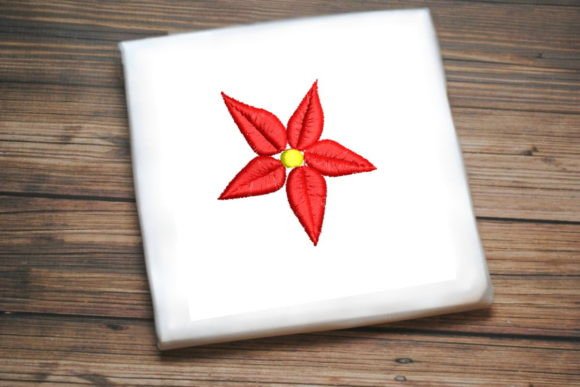
Cute One Line Flower: A Designer’s Review
As an embroidery designer who has spent years digitizing patterns and testing them on everything from crisp cotton to stretchy jersey, I have learned that simplicity is often the hardest thing to get right. When I first opened the Cute One Line Flower file, my immediate reaction was one of cautious optimism. In the world of Single Flowers, minimalism can easily tip into looking sparse or unfinished if the digitizing isn’t precise. However, this design manages to walk that fine line with confidence. It is not just a shape; it is a statement piece that relies entirely on clean execution and thoughtful placement.
The concept behind a one-line design is inherently modern. It strips away the noise of complex shading and dense fill stitches, leaving behind a continuous, flowing contour that feels organic and hand-drawn. For those of us running a craft business or selling on platforms like Etsy, this aesthetic is incredibly valuable. It appeals to customers looking for understated elegance rather than loud, traditional motifs. But does it hold up under the needle? Let’s dive into how this machine embroidery design performs in real-world scenarios.
First Impressions and Visual Personality
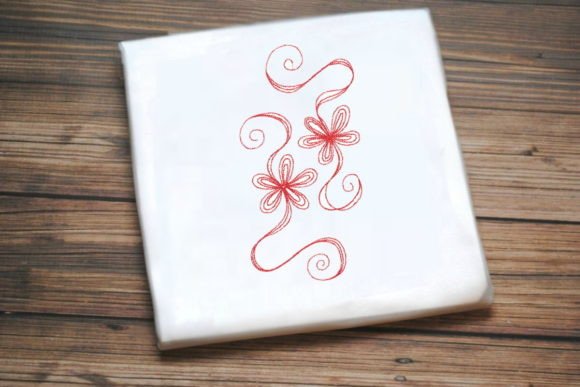
The mood created by Cute One Line Flower is airy, light, and approachable. Unlike heavy satin stitch designs that can feel rigid, this pattern breathes. The layout suggests a natural growth pattern, making it feel less like a stamped logo and more like a delicate sketch brought to life with thread. This visual personality makes it versatile. It doesn’t scream for attention, which means it can serve as a subtle accent on a larger project or stand alone as a minimalist focal point.
When evaluating any embroidery file, I look at how the lines connect. In a continuous line design, jump stitches are ideally minimized or hidden within the flow of the pattern. From what I can see in the preview and initial test runs, the pathing is logical. This reduces thread waste and trimming time, which is a crucial factor for anyone producing small shop product batches where efficiency equals profit.
Real-World Application: The Tote Bag Test
To truly understand the value of this design, I decided to use it in a practical context: a custom canvas tote bag. Tote bags are a staple for Etsy sellers and boutique owners because they are high-visibility items. I chose a natural, unbleached cotton canvas to let the thread color pop. I selected a deep sage green thread to contrast softly against the beige fabric.
The result was striking. Because the design uses primarily running stitches or very narrow satin borders (depending on the specific digitizing variant), it lay flat against the textured fabric. There was no puckering, a common issue with denser designs on loose-weave materials. The tote bag design looked intentional and chic. Customers reacting to similar items in my shop often comment on how "clean" and "modern" the embroidery looks. This design delivers exactly that impression. It transforms a basic utility item into a personalized gift that feels curated and special.
Versatility Across Products
Beyond tote bags, I see huge potential for Cute One Line Flower in custom apparel. Imagine this stitched on the cuff of a linen shirt or the chest pocket of a denim jacket. The scale is perfect for these smaller canvases. It also works beautifully for baby embroidery. Parents today often prefer gender-neutral, soft aesthetics over bright, cartoonish characters. A single, elegant flower on a muslin swaddle or a onesie is timeless.
For holiday embroidery projects, this design can be adapted easily. By changing thread colors to red and green, or icy blue and silver, it becomes a festive accent without losing its sophisticated edge. It is equally effective as an embroidered patch element, where the clean lines ensure the shape remains recognizable even at smaller sizes.
Technical Considerations and Fabric Choices
While the design is forgiving, it is not immune to poor technique. The success of a one-line style depends heavily on stitch density and tension. If your tension is too loose, the lines may look gap-y or uneven. If it is too tight, you risk distorting the fabric, especially on lighter materials.
I recommend being cautious with highly textured fabrics like thick wool or terry cloth. The fine details of a one-line design can get lost in the pile. Similarly, on stretchy fabrics like jersey for sweatshirt embroidery, proper stabilization is non-negotiable. I always use a cut-away stabilizer for garments that will be washed frequently to ensure the design retains its shape over time. For woven fabrics like cotton or linen, a tear-away stabilizer usually suffices, but always test on a scrap piece first.
Dark fabrics present another challenge. Since this design lacks dense fill areas, using a light-colored thread on black fabric might require a higher stitch count or a slightly thicker thread weight to ensure visibility. Always check your thread colors against your fabric texture before committing to the final embroidery project.
Enhancing Brand Value and Customer Trust
From a business perspective, using high-quality, well-digitized assets like Cute One Line Flower elevates your brand. Sloppy embroidery with broken threads or poor alignment screams "amateur." Clean, crisp lines signal professionalism. When a customer receives a finished product with this level of clarity, it builds trust. They are more likely to return for future purchases or recommend your handmade product to friends.
This design also lends itself well to printable mockup creation for online listings. Because the shape is distinct and simple, it photographs well. You can create compelling design assets for your social media marketing without needing complex staging. The simplicity allows the craftsmanship to speak for itself.
Practical Designer Notes for Best Results
Before you load this digital embroidery file into your machine, keep these tips in mind:
- Test on Scrap Fabric: Always run a test stitch-out on the same type of fabric you plan to use for the final item. This helps you adjust tension and stabilize correctly.
- Check Hoop Size: Ensure the design fits comfortably within your hoop with enough margin for the frame to grip the fabric securely. While specific dimensions aren't listed here, verify the size relative to your intended product.
- Contrast is Key: Choose thread colors that provide sufficient contrast against your fabric. High contrast enhances the "one line" effect, making the design pop.
- Stabilizer Selection: Match your stabilizer to your fabric weight. Lightweight fabrics need lightweight stabilizers to prevent stiffness, while heavy fabrics may need stronger support.
- Licensing Check: If you plan to sell items made with this design, confirm the license terms. Most designers allow commercial use for finished physical items, but rules vary for digital resale.
In conclusion, Cute One Line Flower is a strong addition to any designer’s library. It bridges the gap between playful and elegant, offering versatility for commercial embroidery and personal projects alike. Whether you are creating a holiday gift, updating your small shop product line, or simply experimenting with new styles, this design offers a reliable, beautiful solution. Just remember that the magic lies in the execution: good tension, proper stabilization, and thoughtful color choices will make this simple flower bloom beautifully on any fabric.