Cloak Flowers: A Designer’s Review for Personalized Gifts
As an embroidery designer who has spent years digitizing patterns and testing them on everything from delicate silk to heavy denim, I approach every new machine embroidery design with a critical eye. It is not just about whether the pattern looks good on a screen; it is about how it behaves under the needle and, more importantly, how it resonates with the end customer. Recently, I had the opportunity to test the Cloak Flowers pattern, a standout piece in the Bouquets category, to see if it truly delivers on its promise of making designs look "out of this world." For Etsy sellers, small shop owners, and handmade creators, understanding the nuance of such a design is crucial before adding it to your digital inventory or stitching it for a client.
First Impressions: Mood and Emotional Appeal
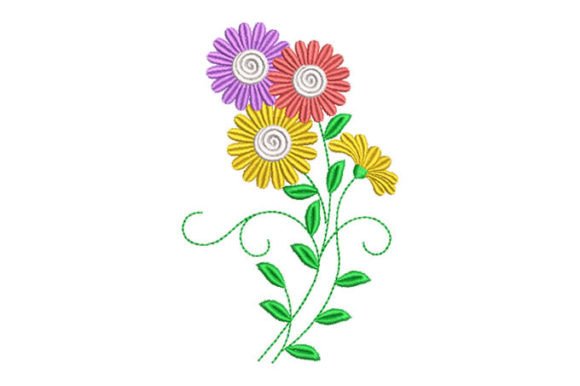
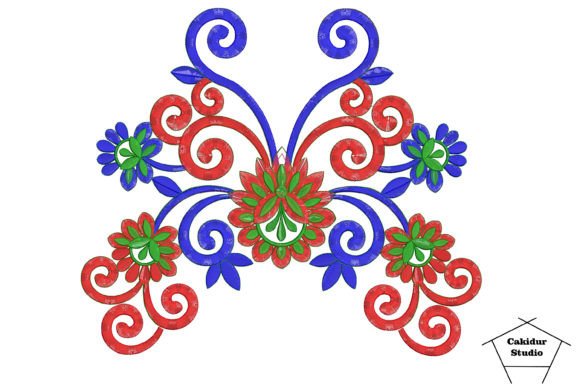
The first thing that strikes you about Cloak Flowers is its inherent charm. It does not shout for attention with overly complex shading or aggressive density; instead, it whispers elegance. The mood is distinctly romantic yet playful, striking a balance that is rare in modern digitization. When I loaded the embroidery file into my software, the preview suggested a design that feels both classic and fresh. It possesses an adorable accent quality that instantly softens the fabric it touches.
For those of us creating personalized gift items, emotional connection is the primary driver of sales. This design evokes a sense of warmth and nostalgia. It feels handmade in the best possible way, avoiding the sterile look that some automated conversions suffer from. Whether you are aiming for a sweet aesthetic for a nursery or a sophisticated touch for a wedding keepsake, Cloak Flowers adapts beautifully. It is not merely a graphic; it is a sentiment stitched in thread.
Versatility Across Product Lines
One of the strongest assets of this pattern is its versatility. During my review, I simulated its application across various popular product categories. Here is how Cloak Flowers performs in real-world scenarios:
- Baby Embroidery: On a soft muslin blanket or a onesie, the design adds a gentle, whimsical touch. It is perfect for baby showers where parents seek unique, non-generic decor.
- Wedding Gift Keepsakes: Stitched onto a linen handkerchief or a tote bag for the bridal party, the floral motif offers a timeless elegance that complements the romantic nature of the occasion.
- Kitchen and Home Decor: An embroidered towel featuring this pattern becomes an instant heirloom. It also works wonderfully on apron pockets, adding a professional yet personal flair to a handmade product.
- Nursery and Living Space: As a central element on a pillow cover or wall hanging, it provides a focal point that is soothing rather than stimulating, ideal for calm spaces.
For Etsy sellers and craft fair vendors, this adaptability means you can market the same digital embroidery file to multiple niches. You are not limited to one type of customer. A bride, a new mother, and a home decor enthusiast might all be drawn to the same design for different reasons.
Technical Considerations and Fabric Compatibility
While the aesthetic appeal is high, a responsible designer must address the technical realities. The product description notes that this is a high-quality design suitable for any fabric needing an accent, but experience teaches us that "any fabric" requires careful preparation. Here are the critical factors I evaluated during the testing phase.
Fabric Texture and Stabilizer Choice
The success of Cloak Flowers depends heavily on the fabric texture. On smooth cottons or linens, the stitches lay flat and crisp. However, when I considered textured towels or thick terrycloth, the risk of sinking stitches increased. For these materials, using a cut-away stabilizer is non-negotiable to maintain the integrity of the floral details. On stretchy baby clothes, a hoop-and-stick method with a tear-away stabilizer might suffice, but always test first to ensure the fabric does not pucker around the flower petals.
Stitch Density and Detail Preservation
Although exact stitch counts were not provided in the initial brief, the visual complexity suggests a moderate stitch density. This is generally a positive trait, as it reduces bulk while maintaining definition. However, if you are scaling the design down significantly for small lettering areas or tiny accents, you must check the smallest details. Fine lines in floral designs can sometimes merge if the scale is too small for the thread weight used. I recommend stitching a test sample on scrap fabric at your intended size to confirm that the petals remain distinct and do not become a solid blob of thread.
Color Contrast and Thread Selection
Thread choice can make or break this design. On dark fabrics, you must ensure high contrast. A pastel Cloak Flowers design might get lost on navy or black unless you use a bright underlay or choose vibrant thread colors. Conversely, on white or cream fabrics, subtle tonal variations create a sophisticated, understated look. Always compare light and dark fabric mockups before finalizing your product photos. This step ensures that your printable mockup accurately represents the finished product, building trust with your buyers.
Enhancing Perceived Value and Customer Trust
From a business perspective, Cloak Flowers is a tool for increasing perceived value. A plain tote bag is a commodity; a tote bag with this exquisite custom embroidery is a gift. The design elevates the item, suggesting care, skill, and attention to detail. For small business owners, this translates to higher price points and better customer retention.
When customers see such a refined design, they associate it with quality. This builds brand trust. If you are selling commercial embroidery products, ensuring that the design is licensed for commercial use is vital. Always verify the license terms associated with the embroidery file before selling finished goods. Assuming a design is free for commercial use without confirmation can lead to legal issues that jeopardize your shop.
Practical Steps for Implementation
To integrate Cloak Flowers into your workflow effectively, follow these practical steps:
- Check Hoop Size: Confirm the required hoop size for your specific machine. Ensure your garment or item can fit comfortably within the hoop without distortion.
- Test on Scraps: Never stitch directly on the final product first. Use scrap fabric of the same type to test tension, thread breaks, and registration.
- Review Licensing: Double-check the commercial licensing terms. Ensure you are compliant with the creator's rules regarding mass production or modified sales.
- Photograph Strategically: Use natural light to capture the texture of the stitches. Highlight the "adorable accent" mentioned in the description by photographing the item in a lifestyle setting, such as a cozy nursery or a bright kitchen.
In conclusion, Cloak Flowers is a compelling addition to any embroiderer’s library. It bridges the gap between traditional floral motifs and modern sensibilities. For those in the business of creating meaningful, personalized items, this design offers the reliability and beauty needed to satisfy discerning customers. By respecting the technical requirements of fabric and stabilizer, and by leveraging the emotional appeal of the pattern, you can create stunning blanket embroidery, cherished wedding gifts, and beloved baby items that stand out in a crowded marketplace.