Beautiful Peacock s Tail: A Designer Review
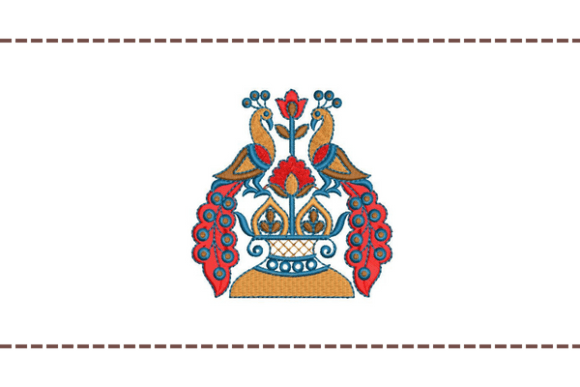
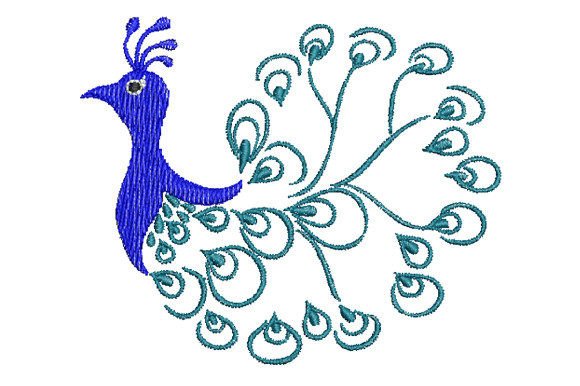
As an embroidery designer who has spent years digitizing and reviewing thousands of patterns for commercial use, I approach every new machine embroidery design with a critical eye. It is not enough for a pattern to look pretty on a screen; it must perform flawlessly under the needle, withstand the rigors of daily wear, and elevate the brand it represents. Today, I am reviewing Beautiful Peacock s Tail, a design inspired by the vibrant peacocks found in the south of Thailand. This piece captures the majestic moment when a peacock dances its wings, spreading them wide during the mating season. For small business owners and merch creators, this design offers a unique blend of natural elegance and cultural charm that can significantly enhance brand identity.
First Impressions: Visual Personality and Market Fit
The first thing that strikes me about Beautiful Peacock s Tail is its inherent elegance. Unlike generic bird motifs that can sometimes feel cartoonish or overly simplified, this design leans into the organic complexity of the peacock’s plumage. The inspiration from Thai wildlife gives it a distinct regional flair, making it ideal for businesses that want to convey a sense of exotic beauty, tranquility, or premium quality. Visually, the design feels both decorative and professional. It is not overly rustic, nor is it starkly modern; instead, it occupies a sweet spot of classic sophistication with a playful touch.
For small business merch creators, this visual personality is crucial. If you run a boutique hotel, a high-end spa, a florist, or a specialty tea shop, the aesthetic of your branded items must match the atmosphere of your physical or digital store. Beautiful Peacock s Tail communicates grace and attention to detail. It suggests that the brand behind the merchandise values beauty and nature. This immediate emotional connection can increase customer trust and perceived value, turning a simple embroidered item into a cherished keepsake.
Real-World Applications for Small Businesses
When evaluating a digital embroidery file for commercial use, I always consider versatility. How does this design translate across different products? Here is how Beautiful Peacock s Tail performs in real-world scenarios:
- Embroidered Patches: This is perhaps the strongest application for this design. The spread-wing motif creates a natural circular or oval shape that fits perfectly on iron-on or sew-on patches. These can be sold as standalone accessories or used to brand tote bags and jackets without committing to direct embroidery on every item.
- Apron Embroidery: For bakeries, cafes, and florists, staff uniforms are walking billboards. Placing this peacock design on the chest pocket or lower corner of an apron adds a touch of whimsy and professionalism. It softens the uniform, making staff appear more approachable and creative.
- Tote Bag Design: Canvas tote bags are a staple for eco-friendly brands and bookstores. The intricate details of the peacock’s tail provide a stunning focal point on the flat surface of a bag. It transforms a utilitarian item into a fashion statement, encouraging customers to use it repeatedly, which increases brand visibility.
- Cap Embroidery: While challenging due to the curved surface, a simplified version or a smaller scale of this design could work beautifully on the side panel of a dad hat or the back of a trucker cap. It offers a subtle branding element that is less aggressive than a large front logo.
- Boutique Merchandise and Gifts: Imagine this design on throw pillows, wall hangings, or even as an accent on packaging ribbons for handmade products. It serves as a cohesive design asset that ties together various product lines under a unified visual theme.
Technical Considerations and Production Notes
While the aesthetic appeal of Beautiful Peacock s Tail is high, successful execution depends on technical precision. As a designer, I must warn against blind production. The complexity of a peacock’s spread wings implies a certain level of detail that requires careful handling. Here are my practical notes for ensuring a high-quality finished product:
- Check Stitch Density and Spacing: Detailed feather patterns can lead to high stitch density. If the stitches are too close together, the fabric may pucker or become stiff. Always review the digitizing settings. If you are unsure, request a test run on a scrap piece of the exact fabric you intend to use.
- Fabric Texture Matters: This design will look vastly different on smooth cotton versus textured linen or thick denim. On textured fabrics, fine details may get lost. For best results, use stable, medium-weight fabrics. If using stretchy materials like jersey for t-shirts, a high-quality cut-away stabilizer is non-negotiable to prevent distortion.
- Thread Color Contrast: Peacocks are known for their iridescent blues and greens. However, if you are embroidering on dark uniforms, ensure there is enough contrast. You might need to adjust the thread colors slightly brighter than the digital preview suggests, as thread often appears darker once stitched. Consider doing a test stitch in black and white first to check for clarity and definition before committing to colorful threads.
- Hoop Size and Placement: Confirm the required hoop size before purchasing. Ensure the design fits within your machine’s maximum area without needing re-hooping, which can cause alignment issues. For caps, use a cap frame to maintain stability.
- Small Patch Sizes: Be cautious when scaling this design down for tiny patches or left-chest logos. Intricate wing details can merge into a blob if the design is too small. If the original file does not specify a minimum size, create a printable mockup at 50% scale to see if the details remain distinct.
Enhancing Brand Identity and Customer Engagement
In the world of commercial embroidery, consistency is key. Using Beautiful Peacock s Tail across multiple touchpoints strengthens brand recognition. When a customer sees the same elegant peacock on their coffee cup sleeve, their tote bag, and their loyalty card, it creates a cohesive narrative. This visual consistency signals professionalism and reliability.
Furthermore, handmade products benefit immensely from unique embroidery. In a market saturated with printed graphics, embroidered items stand out due to their texture and durability. The tactile nature of embroidery invites touch, creating a deeper sensory connection between the customer and the brand. By choosing a design with such strong visual character, you are not just selling a product; you are selling an experience. The story of the Thai peacock dancing its wings can be woven into your marketing copy, adding depth and intrigue to your custom apparel and accessories.
Final Verdict and Licensing Advice
Beautiful Peacock s Tail is a strong contender for businesses looking to add a touch of natural elegance to their merchandise. It is versatile, visually striking, and emotionally resonant. However, before you begin production, there are critical steps you must take. Since the product description does not specify exact technical details, you must verify the embroidery file format compatibility with your machine (such as PES, DST, or JEF). Check the recommended hoop size and confirm the commercial licensing terms. Ensure that your license allows for the number of physical items you plan to produce.
Do not skip the testing phase. Create a mockup for client approval if you are working with B2B customers. Compare this design beside your other design assets to ensure it complements your existing brand palette. With proper preparation and attention to detail, this peacock design can become a signature element of your brand, delighting customers and elevating your handmade product offerings. Embrace the beauty of the dance, but respect the technical craft that brings it to life.